Optimizing your network infrastructure is essential for businesses and data centers looking to improve speed, reliability, and scalability. One key component in modern high-performance networks is the LC to MPO cable. This type of fiber optic cable plays a critical role in connecting high-density environments, allowing efficient data transfer and reducing complexity. In this article, we will explore tips for maximizing network performance using LC to MPO cable and discuss best practices for installation and management.
Understanding LC to MPO Cable
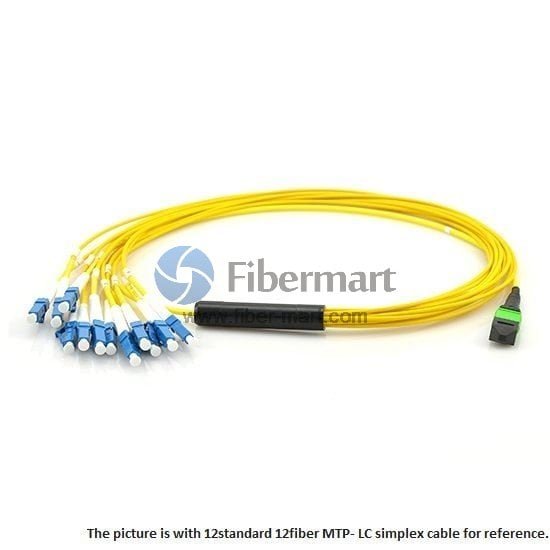
An LC to MPO cable is a fiber optic cable that connects LC connectors on one end to an MPO connector on the other. The LC connector is small form factor and commonly used for high-density patch panels, while the MPO connector can accommodate multiple fibers in a single interface, making it ideal for backbone or interconnect applications. These cables are widely used in data centers, enterprise networks, and telecommunication environments where high-speed and high-density connections are essential.
Using LC to MPO cable simplifies network architecture by reducing the number of individual fiber runs, which decreases installation time and minimizes clutter in patch panels. Additionally, they enable quick upgrades from 10G to 40G or 100G networks by allowing easy aggregation of multiple fibers.
Assess Your Network Needs
Before installing LC to MPO cable, assess your current network requirements. Consider the following:
- Bandwidth requirements: Determine the current and future data transfer needs of your network. MPO cables are designed to handle high-bandwidth applications efficiently.
- Network density: High-density environments benefit significantly from MPO connections because a single MPO cable can replace multiple LC connections, reducing the cable footprint.
- Distance and fiber type: Choose the correct fiber type (single-mode or multimode) depending on your network reach. Multimode fibers are suitable for short distances, while single-mode fibers are ideal for long-distance links.
By understanding your network requirements, you can select the right LC to MPO cable that will maximize performance and scalability.
Choose Quality Cables from Reliable Suppliers
The quality of your LC to MPO cable significantly affects network performance. Poor-quality cables can result in signal loss, increased latency, and frequent maintenance issues. To ensure reliable performance:
- Source cables from trusted suppliers like Fiber-mart, which provides high-quality fiber optic products specifically designed for professional network environments.
- Verify specifications such as insertion loss, return loss, and fiber type to ensure compatibility with your network hardware.
- Ensure cables meet industry standards for durability, such as robust jackets and high-quality connectors, which prevent damage during installation or operation.
Using high-quality LC to MPO cable minimizes network downtime and ensures stable, high-speed connections.
Plan Your Cable Management
Proper cable management is crucial for network optimization. Disorganized or tangled cables can lead to signal interference and make troubleshooting difficult. Consider these tips when managing LC to MPO cable:
- Label all cables clearly to indicate source and destination ports, making it easier to trace connections.
- Use cable trays, racks, or conduits to organize cables neatly. Avoid tight bends or sharp angles that could damage the fiber.
- Maintain separation between power cables and fiber cables to reduce electromagnetic interference.
- Implement a structured cabling system that allows for future network expansion without extensive rework.
Effective cable management reduces the risk of performance degradation and simplifies maintenance in complex network environments.
Ensure Proper Installation Practices
Even the highest quality LC to MPO cable can underperform if installed incorrectly. Proper installation ensures minimal signal loss and maintains network integrity. Follow these best practices:
- Inspect connectors for dirt or damage before installation. Dust or debris can severely affect signal transmission.
- Avoid excessive pulling or bending of cables. Follow the manufacturer’s recommended bend radius to prevent fiber breakage.
- Use proper strain relief to protect connectors and cables from mechanical stress.
- Test connections using an optical time-domain reflectometer (OTDR) or power meter to confirm performance before deploying the network.
Correct installation practices guarantee that your LC to MPO cable delivers the performance needed for high-speed, high-density networks.
Leverage MPO Advantages for Network Upgrades
One of the main advantages of LC to MPO cable is its role in facilitating network upgrades. For example, data centers transitioning from 10G to 40G or 100G can utilize MPO connectivity to aggregate multiple fibers, significantly reducing the complexity of the upgrade.
- MPO connections allow parallel transmission of data over multiple fibers simultaneously, increasing network throughput.
- They simplify patching in high-density environments, reducing downtime during upgrades.
- LC to MPO cables support modular upgrades, meaning you can add or remove connections without disturbing existing infrastructure.
By leveraging these advantages, businesses can optimize network performance and prepare for future bandwidth demands.
Monitor and Maintain Your Network
Once your LC to MPO cable network is installed, ongoing monitoring and maintenance are critical for long-term optimization:
- Perform regular visual inspections of fiber connections to detect any physical damage.
- Schedule periodic cleaning of connectors to prevent signal degradation caused by dust and contaminants.
- Monitor network performance using tools to identify potential bottlenecks or failures early.
- Replace damaged or degraded cables promptly to avoid network interruptions.
Consistent monitoring ensures your LC to MPO cable network continues to operate at peak efficiency.
Conclusion
Optimizing your network with LC to MPO cable requires careful planning, quality components, proper installation, and ongoing maintenance. By assessing your network needs, sourcing reliable cables from suppliers like Fiber-mart, implementing effective cable management, and leveraging MPO advantages, you can achieve a high-performance, scalable, and efficient network infrastructure. Investing time and effort in these best practices ensures that your network can handle current and future demands, reduce downtime, and maintain consistent high-speed connectivity.
Using these tips, businesses and data centers can make the most of their LC to MPO cable investments and enjoy a streamlined, high-performing network environment.
About the Author