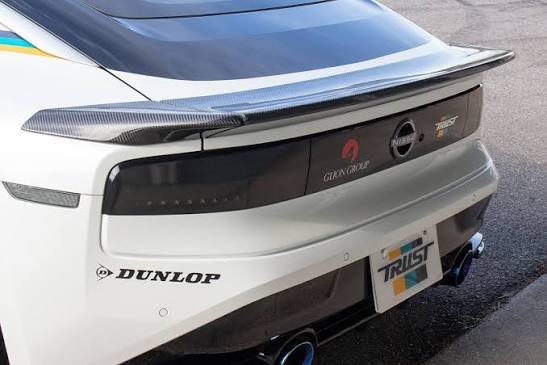
For many car enthusiasts, modifying a vehicle is about more than improving its appearance. It is a way to express personality, create a unique driving experience, and make bodykits a car stand out from the crowd. One of the most popular ways to transform a vehicle’s appearance is by installing bodykits. These kits can dramatically change the look of a car while offering opportunities for customization and styling.
Whether you are purchasing your first kit or already have experience with automotive modifications, understanding the basics can help you make better decisions. This guide explains what bodykits are, the different types available, important factors to consider, and how to achieve a professional-looking result.
What Are Bodykits?
A bodykit is a collection of exterior components designed to change or enhance the appearance of a vehicle. Depending on the kit, it may include front bumpers, rear bumpers, side skirts, spoilers, fenders, diffusers, and other styling parts.
Some bodykits are designed mainly for visual improvements, while others are developed with aerodynamics and performance in mind. The right choice depends on your goals, vehicle model, budget, and preferred styling.
Bodykits are available for many popular car brands and models. From subtle upgrades to aggressive wide-body designs, there are options for almost every type of enthusiast.
Why Install a Bodykit?
The most obvious reason to install bodykits is to give a vehicle a distinctive appearance. A carefully selected kit can make an ordinary factory vehicle look sportier, more aggressive, or more luxurious.
Customization is another major benefit. Factory vehicles are produced for mass-market appeal, meaning they generally have similar styling. Adding aftermarket components allows owners to create a look that reflects their individual taste.
Some professionally engineered kits can also influence airflow around the vehicle. Components such as front splitters, rear diffusers, and spoilers may be designed to improve aerodynamic characteristics. However, their actual performance benefits depend on the design, installation, and vehicle.
Popular Types of Bodykits
There are several common categories of bodykits available to car enthusiasts. Understanding these options makes it easier to choose a suitable style.
Full Bodykits
Full bodykits usually include several exterior components designed to work together. A typical package may contain front and rear bumpers, side skirts, and additional styling elements.
Because all components are designed as part of the same package, full kits can provide a consistent appearance. They are a popular option for enthusiasts planning a complete exterior transformation.
Wide Bodykits
Wide-body designs extend the visual width of a vehicle through wider fenders or quarter-panel modifications. They create an aggressive appearance and may allow additional wheel and tire configurations when properly engineered.
Wide-body installations are generally more complicated than basic cosmetic upgrades, so professional fitting is often recommended.
Lip Kits
Lip kits provide a more subtle approach to customization. They commonly include front lips, side extensions, or rear lips that attach to existing factory components.
This option can be ideal for beginners who want a noticeable styling improvement without completely replacing the vehicle’s original body panels.
Custom Bodykits
Custom bodykits are created or modified according to specific requirements. They can combine different components, materials, and styling ideas to produce a unique result.
Custom work usually requires more planning and professional expertise, but it offers greater creative freedom.
Choosing the Right Bodykit
Selecting the right bodykit involves more than choosing the design you like most. Compatibility should be one of the first considerations.
Always confirm that the kit is designed for your exact vehicle generation, model, and year. Even vehicles with similar appearances can have differences in bumper mounting points, dimensions, sensors, lights, and body lines.
Material is another important factor. Bodykit components may be produced from fiberglass, polyurethane, ABS plastic, carbon fiber, or other composite materials. Each material has different characteristics relating to flexibility, weight, durability, repairability, and cost.
Your budget should also include installation and painting expenses rather than focusing only on the purchase price.
Understanding Bodykit Materials
Fiberglass is widely used because it can be shaped into complex designs and is often relatively affordable. However, it may be less flexible than some alternatives and can require careful handling.
Polyurethane is generally more flexible and can be useful for components exposed to minor impacts. ABS plastic is also common in automotive aftermarket parts because of its durability and consistent manufacturing properties.
Carbon fiber is popular among performance and premium-car enthusiasts because of its lightweight characteristics and distinctive appearance. It can also be considerably more expensive than conventional materials.
Before purchasing, research the material used for each component and consider how you normally drive your vehicle.
Fitment and Installation Matter
Even a high-quality bodykit can look poor if it is installed incorrectly. Fitment refers to how accurately the components align with the vehicle’s original bodywork.
Poor fitment can create uneven gaps, misaligned edges, or difficulties with doors, lights, parking sensors, and other components. Some aftermarket parts may require adjustment before painting and final installation.
Professional installation can help identify these issues early. Experienced installers can also prepare the surfaces, make necessary adjustments, and ensure the final components are securely mounted.
Painting and Finishing
Most bodykit components require preparation and painting to achieve a factory-quality appearance. The process can involve sanding, surface preparation, priming, color matching, painting, and clear coating.
Color matching is particularly important when the new components need to blend with existing panels. Even small differences in paint color can become noticeable under certain lighting conditions.
A professional paint shop can provide better results, especially for complex designs or premium vehicles.
Common Mistakes Beginners Should Avoid
One common mistake is choosing a kit based entirely on photographs. Pictures can look impressive, but the actual fitment and quality may vary between manufacturers.
Another mistake is ignoring installation costs. A low-priced kit may require extensive preparation, potentially making the total project more expensive.
Beginners should also avoid purchasing parts without checking vehicle compatibility. Always verify the exact model and production year before ordering.
Finally, avoid selecting an extreme design simply because it looks impressive online. Consider whether the styling matches your vehicle and whether it is practical for everyday driving.
Maintaining Your Modified Vehicle
After installing bodykits, regular maintenance becomes especially important. Clean the components regularly and inspect mounting points for signs of damage or looseness.
Be careful when approaching steep driveways, speed bumps, curbs, and uneven roads. Low front lips and side skirts can be particularly vulnerable to scraping.
Using appropriate cleaning products can also help preserve painted surfaces and specialty materials. If a component becomes damaged, repairing it promptly can prevent the problem from becoming worse.
Bodykits and Personal Style
One of the biggest advantages of vehicle customization is creative freedom. Some owners prefer subtle OEM-inspired styling, while others enjoy dramatic racing-inspired designs.
There is no single correct approach. The best bodykit is one that suits your vehicle, driving habits, budget, and personal preferences.
Before beginning a project, collect examples of styles you like and consider how different components will work together. A balanced design usually creates a more polished appearance than randomly combining unrelated parts.
Final Thoughts
Bodykits offer an exciting way for beginners and experienced car enthusiasts to personalize their vehicles. From simple lip kits to complete wide-body transformations, there are options for different budgets and styling goals.
The key to a successful project is careful planning. Check compatibility, choose suitable materials, research the manufacturer’s quality, budget for professional installation and painting, and consider how the finished vehicle will be used.
With the right approach, bodykits can transform the appearance of a vehicle and create a distinctive style that reflects the owner’s personality. Whether your goal is a subtle upgrade or a complete visual transformation, understanding the fundamentals will help you make smarter decisions and achieve a professional-looking result.
About the Author