Mold infestations are a common problem in homes and commercial spaces, especially in areas with high humidity or water damage. Mold not only causes structural damage but also poses serious health risks, including allergies, respiratory issues, and skin irritations. Addressing mold problems promptly and efficiently is crucial, and this is where a professional mold clean up service becomes essential. In this guide, we will walk you through the step-by-step process of effective mold remediation, helping you understand what to expect and how to handle the situation safely.
Understanding Mold and Its Risks
Before diving into mold removal, it’s important to understand what mold is and why it can be dangerous. Mold is a type of fungus that grows in damp, warm environments. It reproduces through spores, which are tiny particles that can easily spread through the air and settle on surfaces. These spores can trigger allergic reactions and respiratory problems in sensitive individuals.
Mold growth often starts in hidden areas such as behind walls, under floors, or inside HVAC systems. Ignoring mold growth can lead to serious damage to your property and increase health risks for everyone in the building. This is why engaging a mold clean up service early is vital.
Initial Inspection and Assessment
The first step in any mold removal process is a thorough inspection and assessment of the affected area. Professional mold cleaners will check for visible mold growth and use specialized tools to detect hidden moisture and mold colonies. Moisture meters, infrared cameras, and air sampling devices help determine the extent of the infestation.
During this phase, it is also important to identify the source of moisture, whether it’s a leaky pipe, roof damage, or condensation. Addressing the source of water is critical because mold cannot thrive without moisture. A comprehensive inspection ensures that the cleanup process will be effective and long-lasting.
Containment and Safety Measures
Once the affected area is identified, the next step is containment. Mold spores can easily spread to other parts of your property during cleanup, so professional services set up physical barriers and negative air pressure systems to prevent contamination.
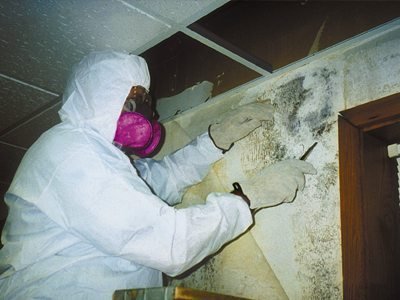
Protective equipment such as gloves, respirators, and suits are essential for anyone entering the contaminated area. These safety measures reduce the risk of exposure and ensure that the cleanup process is safe for both the workers and the building occupants. Choosing a reliable mold clean up service guarantees that these precautions are followed meticulously.
Removal of Mold-Infested Materials
After containment, the removal of mold-infested materials begins. Porous materials like drywall, insulation, and carpets are often impossible to clean completely and must be discarded. Non-porous surfaces such as tiles, glass, and metal can be cleaned and treated with specialized solutions to kill mold spores.
Professional mold cleaners use industrial-grade cleaners and biocides to ensure that the mold is effectively eradicated. It is important not to attempt heavy mold removal yourself without proper training, as improper handling can spread spores and worsen the situation.
Cleaning and Disinfection
Once the contaminated materials are removed, the remaining surfaces are thoroughly cleaned and disinfected. This step involves scrubbing affected areas with antifungal and antimicrobial solutions. Cleaning alone is not sufficient; proper disinfection is crucial to eliminate any lingering spores and prevent future growth.
In addition to visible surfaces, HVAC systems, vents, and air ducts should also be cleaned and treated, as mold spores can circulate throughout the building via the ventilation system. A professional mold clean up service ensures comprehensive cleaning, leaving your property safe and healthy.
Drying and Moisture Control
Mold thrives in damp conditions, so drying and moisture control are critical components of an effective cleanup. After cleaning, dehumidifiers, air movers, and fans are used to remove residual moisture from walls, floors, and furniture.
Addressing the underlying cause of moisture is equally important. Repairing leaks, improving ventilation, and applying water-resistant coatings in high-risk areas can help prevent mold from returning. Proper moisture management ensures that the cleanup results are long-lasting.
Post-Cleanup Inspection and Verification
After the mold has been removed and the area dried, a post-cleanup inspection is necessary to verify that the remediation was successful. Professionals may use air testing and surface sampling to confirm that mold spore levels are within safe limits.
This step provides peace of mind, ensuring that the environment is safe for occupancy. Any remaining issues can be addressed immediately, preventing future mold growth and protecting the health of residents or employees.
Preventive Measures for the Future
Preventing mold growth is just as important as cleanup. Regular maintenance, proper ventilation, and controlling indoor humidity are key strategies. Installing exhaust fans in bathrooms, monitoring basement moisture, and promptly repairing leaks can significantly reduce the risk of mold infestations.
Additionally, using mold-resistant materials in construction or renovation projects can provide long-term protection. A professional mold clean up service can also offer guidance on preventive measures tailored to your property.
Choosing the Right Mold Clean Up Service
Selecting a reliable mold remediation company is crucial for effective results. Look for services that are certified, experienced, and equipped with modern tools for detection and removal. Check reviews and ask for references to ensure that the company follows industry-standard protocols.
A trusted mold clean up service will provide a detailed plan, explain the process clearly, and guarantee their work. Investing in professional services not only ensures complete mold removal but also protects your property and health in the long run.
Conclusion
Mold infestations can be overwhelming, but with the right approach, they are manageable. Following a step-by-step process that includes inspection, containment, removal, cleaning, drying, and verification is essential for effective mold remediation. Partnering with a professional mold clean up service ensures that the job is done safely, efficiently, and permanently.
Taking proactive steps to control moisture and maintain cleanliness can prevent future mold problems, safeguarding both your property and your health. Mold cleanup is not just about removing visible growth; it’s about creating a safe and healthy environment for everyone in the space.
About the Author