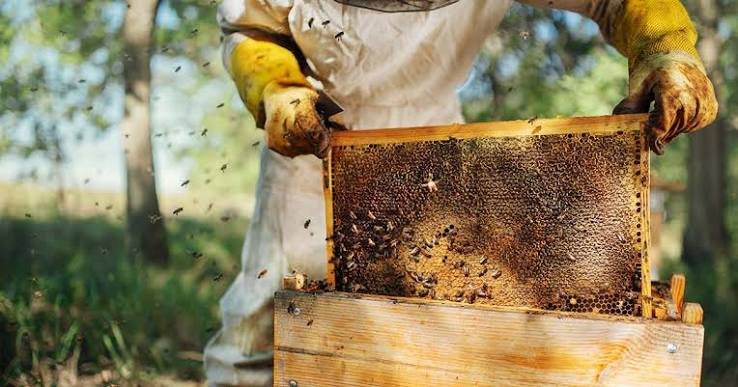
Beekeeping is a fascinating activity that combines nature, practical skills, patience, and an understanding of honey bee behavior. Known scientifically as apiculture, beekeeping Stephen Gleave Ancaster involves maintaining bee colonies in specially designed hives. People keep bees for several reasons, including honey production, pollination, education, and supporting local ecosystems. Whether practiced as a hobby or a commercial activity, beekeeping offers an opportunity to learn about one of nature’s most organized and important insects.
What Is Beekeeping?
Beekeeping is the practice of managing honey bee colonies in artificial hives. A beekeeper provides a suitable environment where bees can build comb, raise young bees, store food, and maintain their colony. In return, beekeepers may collect honey, beeswax, and other hive products when conditions allow.
Successful beekeeping does not mean controlling every aspect of a colony. Instead, it involves understanding how bees behave and providing the right conditions for them to thrive. Beekeepers regularly inspect colonies, monitor their health, check food supplies, and watch for signs of problems.
Understanding the Honey Bee Colony
A honey bee colony is a highly organized community. It generally contains three types of bees: the queen, worker bees, and drones. Each has a different role in maintaining the colony.
The queen is the primary reproductive female in the hive. Her main responsibility is laying eggs that develop into new bees. Worker bees are female bees that perform many tasks, including cleaning cells, feeding young bees, producing wax, guarding the hive, and collecting nectar and pollen.
Drones are male bees whose primary biological role is to mate with queens. The different responsibilities of these bees allow the colony to function as a coordinated social system.
Choosing the Right Beehive
One of the first decisions for a new beekeeper is selecting an appropriate hive. Modern beekeeping uses several hive designs, with different structures and management methods.
The Langstroth hive is widely used because its removable frames make inspections and honey harvesting relatively convenient. Other designs, such as top-bar and Warre hives, offer different approaches to colony management.
A suitable hive should provide adequate space, ventilation, protection from weather, and convenient access for inspections. Beginners should research local beekeeping practices and choose equipment that is appropriate for their climate and experience level.
Essential Beekeeping Equipment
Proper equipment helps beekeepers work around colonies more safely and efficiently. A basic setup may include a hive, frames, protective clothing, gloves, a bee smoker, and a hive tool.
A bee smoker produces cool smoke that can help calm bees during hive inspections. A hive tool is useful for separating frames and removing propolis or wax. Protective clothing, such as a veil and suitable clothing that covers exposed skin, provides additional protection.
Beginners should learn how to use each piece of equipment before attempting regular hive inspections. Good preparation can make the process more comfortable for both the beekeeper and the bees.
Finding a Suitable Location
The location of a hive can strongly influence colony health and productivity. Bees need access to flowering plants that provide nectar and pollen throughout the seasons.
A good location should have some protection from strong winds and excessive disturbance. Morning sunlight can help the colony become active early in the day, while some afternoon shade may be useful in particularly hot climates.
Water availability is also important. If natural water sources are limited, a beekeeper may provide a clean, shallow water source near the apiary. This can help reduce the likelihood of bees visiting unwanted water sources nearby.
Inspecting a Bee Colony
Regular inspections allow beekeepers to understand what is happening inside a hive. During an inspection, a beekeeper may check whether the queen is present or whether the colony shows evidence of normal brood production.
The beekeeper can also examine food stores, comb condition, population levels, and possible signs of pests or disease. Inspections should be performed calmly and carefully because unnecessary disturbance can stress the colony.
Beginners should avoid opening hives excessively. Learning when an inspection is useful and when it is better to leave the colony undisturbed is an important part of becoming a responsible beekeeper.
Feeding and Seasonal Management
Honey bees normally collect nectar and pollen from flowering plants. However, colonies can sometimes experience periods when natural food is limited. Depending on local conditions and beekeeping guidance, a beekeeper may need to provide supplemental food.
Seasonal management is another important part of beekeeping. Colonies have different needs during spring, summer, autumn, and winter. Spring may involve rapid colony growth, while summer can bring strong foraging activity. Before colder periods, beekeepers generally pay close attention to food reserves and hive protection.
Understanding local weather patterns and flowering seasons makes it easier to plan appropriate hive management.
Honey Harvesting
Honey harvesting is one of the most appealing aspects of beekeeping. However, honey should only be collected when the colony has sufficient resources for its own needs.
When honey is ready for harvest, beekeepers typically remove suitable honey-filled frames and use appropriate methods to separate honey from the comb. Depending on the hive system, equipment may include an uncapping tool and honey extractor.
After harvesting, honey should be handled hygienically and stored in clean, suitable containers. Responsible beekeepers always consider the needs of the colony before taking any honey.
Bee Health and Pest Management
Maintaining healthy colonies is one of the most important responsibilities of a beekeeper. Honey bees can be affected by parasites, pests, diseases, poor nutrition, and environmental stress.
Varroa mites are a significant concern for many beekeepers because they can weaken colonies and contribute to the spread of viruses. Beekeepers should learn how to monitor for common threats and follow locally recommended management practices.
Good hygiene, regular observation, appropriate equipment maintenance, and early detection can all contribute to healthier colonies. New beekeepers should also learn from experienced local beekeepers or agricultural extension resources.
The Importance of Bees for Pollination
Beekeeping is not only about producing honey. Bees play an important role in pollination. When bees visit flowers to collect nectar and pollen, they transfer pollen between flowers, helping many plants reproduce.
Pollination supports numerous fruit, vegetable, seed, and flowering plant species. Maintaining healthy pollinator populations can therefore contribute to agricultural productivity and biodiversity.
Planting a variety of bee-friendly flowers can provide valuable forage while creating a more supportive environment for pollinators.
Learning Beekeeping Responsibly
Beekeeping requires patience and continuous learning. A beginner should understand basic bee biology, hive management, seasonal changes, safety practices, and common colony problems before managing bees independently.
Joining a local beekeeping association can be especially helpful. Experienced beekeepers can provide practical advice about local weather, flowering plants, equipment, regulations, and common bee health concerns.
Books, courses, workshops, and reputable agricultural resources can also help beginners develop their knowledge.
Conclusion
Beekeeping is a rewarding practice that connects people with nature while providing valuable lessons about cooperation, biology, agriculture, and environmental stewardship. From understanding the roles within a colony to maintaining hives and monitoring bee health, every part of beekeeping requires observation and responsible care.
For beginners, the best approach is to start with solid knowledge, appropriate equipment, and guidance from experienced beekeepers. With patience and consistent learning, beekeeping can become an enjoyable long-term hobby or a productive agricultural activity while supporting the fascinating world of honey bees.
About the Author