Hurricanes can bring powerful winds, heavy rainfall, flooding, and extended power outages. When the electrical grid goes down, homes and businesses may lose access to essential systems such as lighting, refrigeration, communication devices, medical equipment, and cooling systems. This is why hurricane backup power is an important part of emergency preparedness for anyone living in an area affected by severe storms.
A reliable backup power system can help keep essential equipment running until utility electricity is restored. From portable power stations and battery backups to standby generators and solar systems, there are several options available depending on your needs, budget, and property.
Why Hurricane Backup Power Matters
During a hurricane, electricity may be unavailable for hours or even several days. Damaged power lines, flooding, fallen trees, and other infrastructure problems can make restoration difficult.
Having hurricane backup power allows you to prepare before a storm arrives rather than trying to find equipment after an outage begins. Backup electricity can be particularly useful for maintaining refrigerators, charging phones, powering lights, running fans, and keeping communication equipment operational.
For households that depend on electrically powered medical equipment, a suitable backup power solution can also be an important part of an emergency plan.
Common Hurricane Backup Power Options
There is no single backup power solution that works for every household. Different systems offer different levels of capacity, portability, runtime, and convenience.
Portable Power Stations
Portable power stations use rechargeable batteries to provide electricity during outages. They can generally be charged before a storm and used to operate smaller devices afterward.
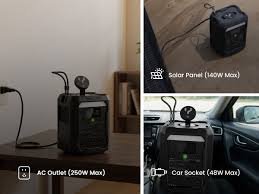
Depending on their capacity, portable power stations can provide power for phones, laptops, lights, routers, fans, and selected small appliances. Some models can also be recharged using compatible solar panels.
One major advantage is that battery power stations operate quietly and do not require fuel combustion. They can be useful when portability and simple operation are priorities.
Standby Generators
Standby generators are permanently installed systems designed to provide backup electricity automatically when utility power fails. They can supply substantial amounts of electricity and may be connected to important household circuits.
These systems are often considered for larger homes or properties where extended backup power is required. Because installation involves electrical and fuel-system considerations, professional installation and regular maintenance are important.
Portable Generators
Portable generators can provide significant power and can be transported when necessary. They are commonly used for emergency backup, construction, camping, and other applications.
However, fuel-powered generators must be operated outdoors in a safe, well-ventilated location. They should never be used inside a home, garage, basement, or other enclosed space because of the risk of dangerous carbon monoxide buildup.
Always follow the manufacturer’s instructions and applicable safety requirements.
Solar Backup Systems
Solar panels can be paired with batteries to create a renewable backup power system. During a prolonged outage, solar energy may help recharge a battery system when sunlight is available.
Solar backup systems can be especially useful for people who want a solution that does not depend entirely on fuel supplies. However, performance depends on factors such as sunlight, battery capacity, panel size, weather conditions, and energy consumption.
How to Choose Hurricane Backup Power
Choosing the right system starts with determining which devices you actually need to operate during an outage.
Make a list of essential equipment and estimate how much electricity each item requires. Important items may include refrigerators, lights, fans, internet equipment, phone chargers, sump pumps, and other essential household devices.
You should also consider how long you want backup power to last. A small battery may be enough for communication devices and lighting, while a larger system may be necessary for multiple appliances.
Consider Power Capacity
Backup systems have different power ratings. Two important measurements are commonly used: running power and starting or surge power.
Some appliances require additional power when their motors start. Refrigerators, pumps, and certain other equipment may have higher startup requirements than their normal operating consumption.
Checking the specifications of your appliances before selecting a backup system can help ensure that the power source is appropriately sized.
Consider Runtime
Capacity is only one part of the equation. You should also consider how long the system can provide electricity.
Reducing unnecessary electricity use can extend runtime. For example, using LED lighting, unplugging nonessential electronics, and limiting the operation of high-energy appliances can help conserve available backup power.
Prepare Before Hurricane Season
The best time to prepare your hurricane backup power system is before severe weather develops.
Inspect generators, batteries, charging equipment, cables, and other components ahead of time. If you use a fuel-powered generator, check the manufacturer’s maintenance requirements and make sure fuel is handled and stored according to local safety rules.
For battery systems, keep the unit charged according to manufacturer recommendations and periodically test it with the devices you expect to use.
It is also useful to keep essential charging cables, extension equipment suitable for the intended application, flashlights, and other emergency supplies together in an accessible location.
Protect Your Backup Equipment
Hurricanes can bring rain and flooding, so protecting electrical equipment from water is essential.
Portable generators and other electrical equipment should be positioned according to the manufacturer’s instructions and kept away from standing water. Never attempt to operate electrical equipment in unsafe wet conditions.
Battery power stations should also be protected from moisture and extreme environmental conditions unless they are specifically designed and rated for those conditions.
If flooding is possible, think carefully about where equipment will be stored before the storm arrives.
Safe Generator Operation
Generator safety should always be a priority. Fuel-burning generators produce carbon monoxide, an invisible and potentially deadly gas.
Operate these generators outdoors and away from doors, windows, and ventilation openings. Follow the manufacturer’s required clearances and operating instructions.
Never connect a portable generator directly to household wiring unless the system has been properly installed with appropriate transfer equipment by a qualified professional. Improper connections can create serious electrical hazards.
Read the owner’s manual before an emergency occurs so you understand the equipment’s correct operation.
Managing Electricity During an Outage
Once the power goes out, prioritize essential equipment. Start with the devices that are most important for safety, communication, food preservation, or other critical needs.
Avoid connecting unnecessary appliances simply because backup power is available. Monitoring your system’s capacity can help prevent overloads and preserve energy for longer.
If you have a battery-based system, keep track of its remaining charge and recharge it when conditions permit. Solar-equipped systems may provide another charging option when sunlight is available.
Create a Complete Hurricane Preparedness Plan
Backup electricity is only one part of hurricane preparedness. A complete plan can include drinking water, nonperishable food, flashlights, batteries, first-aid supplies, weather alerts, important documents, and communication plans.
Know how to receive official emergency information and identify safe locations in case evacuation becomes necessary.
It is also helpful to know which electrical devices are essential before an emergency occurs. Planning ahead makes it easier to choose the appropriate backup power capacity and avoid unnecessary energy consumption.
Conclusion
Hurricane backup power can provide valuable support when severe storms interrupt the electrical grid. Portable power stations, standby generators, portable generators, and solar battery systems each offer different advantages.
The right solution depends on your household’s energy requirements, desired runtime, budget, available space, and emergency priorities. Preparing equipment before hurricane season, understanding safe operating procedures, and protecting electrical systems from water are all essential parts of responsible storm preparation.
By planning ahead and selecting an appropriately sized backup power system, households can be better prepared to maintain essential electricity during unexpected outages and recover more comfortably after a hurricane.
About the Author