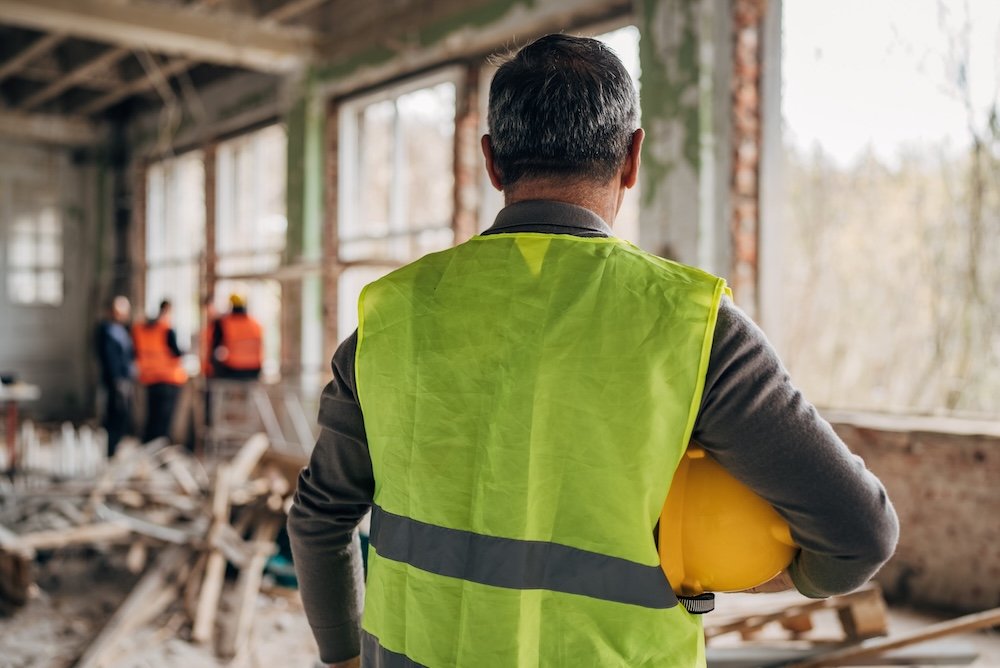
flood restoration Omaha Severe weather and sudden heavy rainfall in the Midwest can bring unexpected challenges to homeowners. When water enters a property, the damage can feel overwhelming, threatening both structural stability and long-term comfort. Navigating the recovery process requires prompt action, careful planning, and proper safety protocols. Understanding how to manage water removal, structural drying, and property repairs ensures your living space is safely returned to its pre-damage condition.
Executing a structured strategy for flood restoration Omaha homeowners can rely on helps minimize lasting damage and protects your property investment. Following a clear recovery plan allows you to address immediate hazards, coordinate with insurance professionals, and systematically restore every area of your home.
1. Prioritize Immediate Safety and Assessment
Before stepping foot inside a flooded structure, ensuring personal safety must be your top priority. Standing water creates hidden risks that are difficult to evaluate from the outside.
Electrical and Structural Inspections
Never walk into a flooded basement or living space until you are certain the main power supply has been completely shut off. Water conducts electricity, making submerged outlets or exposed wiring extremely dangerous. Additionally, standing water can weaken subflooring, compromise drywall, and undermine structural foundations. Have a qualified professional or local utility company verify that the structure is safe to enter before beginning any evaluation.
Documenting the Damage for Insurance
Once it is safe to walk through the property, document every affected area in detail before clearing out debris or moving furniture. Take clear photos and high-resolution video of standing water levels, ruined personal belongings, damaged drywall, and compromised flooring. Detailed records streamline the insurance claims process and ensure that the full scope of loss is accurately represented.
2. Water Removal and Initial Extraction
Time is the most critical factor when addressing water intrusion. The faster liquid is removed from the property, the less chance mold, rot, and deep structural decay have to take hold.
Rapid Extraction Techniques
Standard household vacuums and mops are insufficient for severe water intrusion. Deep extraction requires heavy-duty submersible pumps, commercial wet/dry vacuums, and specialized truck-mounted extraction equipment. Eliminating bulk water quickly prevents liquid from seeping deeper into subfloors, wall cavities, and supporting timber.
Categorizing Water Contamination
Understanding the type of water that entered your home dictates the level of sanitization required:
- Clean Water (Category 1): Originates from broken supply lines or sink overflows and poses no immediate health threat if addressed quickly.
- Gray Water (Category 2): Contains significant contamination from sources like dishwasher discharge or washing machine overflows.
- Black Water (Category 3): Originates from rising floodwaters, rivers, or sewage backups. It carries harmful pathogens, bacteria, and debris, requiring intensive containment, specialized protective gear, and professional sanitization.
3. Comprehensive Structural Drying and Dehumidification
Removing visible water is only the first step. Moisture absorbed by porous building materials like wood studs, drywall, and concrete can remain hidden for weeks if not properly dried.
Deploying Commercial Air Movers and Dehumidifiers
Achieving complete structural dryness requires continuous airflow and moisture extraction. Industrial-grade air movers circulate high volumes of air across floors and walls to accelerate evaporation. Simultaneously, low-grain refrigerant (LGR) dehumidification systems pull moisture out of the surrounding air, creating a balanced drying environment that prevents swelling, warping, and secondary water damage.
Monitoring Moisture Levels
Professional restoration relies on precise tools rather than visual inspection to confirm dryness. Moisture meters and thermal imaging cameras detect hidden pockets of dampness deep within wall cavities, under hard flooring, and inside insulation. Drying efforts must continue until all materials match baseline dry standards.
4. Cleaning, Sanitization, and Mold Prevention
Flooding introduces organic materials and moisture levels that create ideal breeding conditions for mold and bacterial growth within 24 to 48 hours. Thorough cleaning is essential to restore indoor air quality and protect household health.
Removing Unsalvageable Building Materials
Highly porous items contaminated by floodwaters often cannot be fully sanitized and must be safely removed and discarded. This typically includes carpet padding, soaked insulation, baseboards, and affected drywall up to at least 12 to 18 inches above the high-water line. Removing these compromised materials opens up wall cavities for thorough drying.
EPA-Registered Antimicrobial Treatments
All hard surfaces, exposed framing, and subfloors must be thoroughly cleaned using specialized, EPA-registered antimicrobial and disinfectant solutions. These treatments eliminate odor-causing bacteria, prevent fungal spore germination, and ensure the living environment is clean, healthy, and safe for occupants.
5. Reconstruction and Final Property Restoration
After the property is completely dry, clean, and structurally sound, the final rebuilding phase begins. This stage restores your home back to its original layout and finish quality.
Repairing and Replacing Finishes
Reconstruction involves installing new drywall, taping, mudding, painting, and replacing baseboards and trim. Subfloors must be inspected for flatness and integrity before laying down new hardwood, tile, carpet, or luxury vinyl plank flooring.
Rebuilding for Future Resilience
When restoring your property, consider incorporating flood-resistant design choices to protect against future severe weather events. Installing sump pumps with battery backup systems, applying waterproof sealants to basement walls, elevating electrical panels, and placing check valves on sewer lines add durable layers of protection against rising groundwater.
Reclaiming Comfort in Your Home
Dealing with water damage requires patience, prompt decision-making, and meticulous attention to detail. By taking structured steps—ensuring safety, executing rapid water extraction, drying structural elements thoroughly, and applying proper sanitization—you can successfully navigate the recovery process. Investing in a comprehensive approach to flood restoration Omaha residents trust helps safeguard your property’s value, protects your family’s health, and brings lasting peace of mind.
About the Author