Understanding Hyperpigmentation in Modern Dermatology
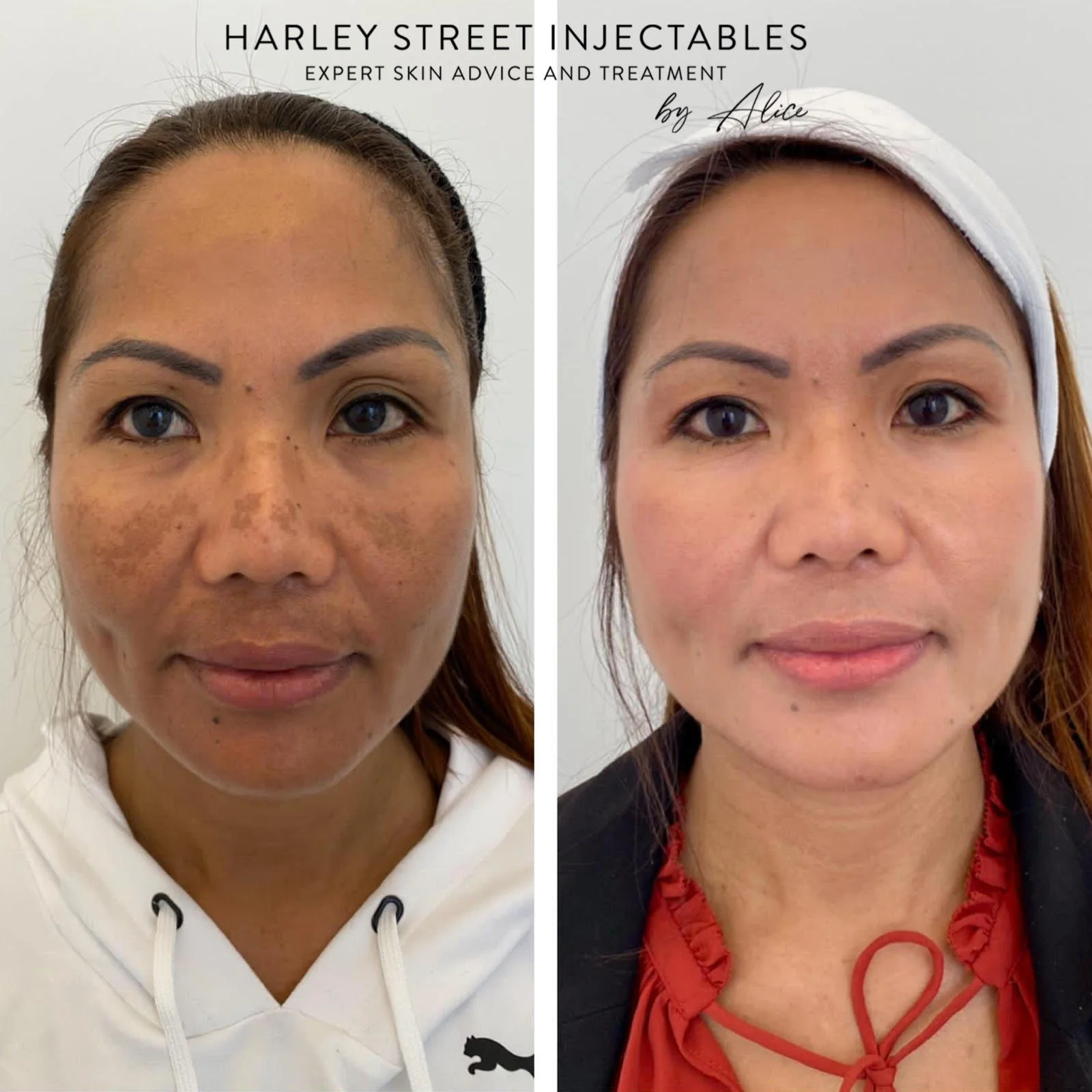
Hyperpigmentation remains one of the most common skin concerns treated in dermatology clinics worldwide in 2026. It refers to patches of skin that become darker than the surrounding area due to excess melanin production. This condition can be triggered by sun exposure, hormonal changes, acne scars, inflammation, or even genetic factors.
In recent years, demand for Laser Treatments for Hyperpigmentation has significantly increased as people seek faster, more precise, and longer-lasting solutions compared to topical creams or chemical peels. Modern dermatology now focuses on precision-based energy devices that target pigment without damaging surrounding skin tissue.
How Advanced Laser Technology Works on Pigmentation
Laser technology works by delivering concentrated light energy into the skin. This energy targets melanin clusters, breaking them down into smaller particles that the body naturally eliminates through the lymphatic system.
Different wavelengths are used depending on the depth and type of pigmentation. For example, superficial pigmentation such as freckles responds well to shorter wavelengths, while deeper dermal pigmentation requires more advanced fractional or picosecond lasers.
In 2026, Laser Treatments for Hyperpigmentation have evolved to include ultra-short pulse technology, which minimizes heat damage and reduces recovery time. This has made treatments safer and more effective for a wider range of skin tones, including medium to deep complexions that were previously at higher risk of post-inflammatory hyperpigmentation.
Types of Advanced Laser Treatments Available in 2026
Picosecond Laser Technology
Picosecond lasers are among the most advanced tools currently used in dermatology. They deliver energy in trillionths of a second, shattering pigment particles more efficiently than older nanosecond lasers. This allows faster clearance of dark spots with fewer treatment sessions.
These lasers are now widely used in Laser Treatments for Hyperpigmentation due to their precision and reduced risk of skin damage.
Fractional Laser Resurfacing
Fractional lasers treat skin in a grid-like pattern, targeting only a fraction of the skin at a time. This stimulates natural healing and collagen production while breaking down pigmentation.
Fractional technology is especially useful for post-acne pigmentation and sun damage. It also improves skin texture, making it a dual-purpose treatment.
Q-Switched Laser Systems
Q-switched lasers remain a reliable option for pigment removal. They emit high-intensity pulses that specifically target melanin without affecting surrounding tissue. Although not as fast as picosecond lasers, they are still widely used due to their affordability and effectiveness.
Combination Laser Therapies
One of the biggest innovations in 2026 is combination therapy. Dermatologists now often combine multiple laser types in a single treatment plan. For example, a patient may undergo fractional laser resurfacing followed by picosecond laser sessions to achieve optimal results.
This customized approach has improved success rates in Laser Treatments for Hyperpigmentation significantly.
Who Is an Ideal Candidate for Laser Treatment
Not everyone is an immediate candidate for laser procedures. Ideal candidates typically include individuals with stable pigmentation issues such as sun spots, melasma, acne marks, or age-related dark patches.
However, skin type plays a critical role. While earlier laser technologies were less suitable for darker skin tones, modern devices now include adjustable wavelengths and cooling systems that make treatment safer for a broader demographic.
A consultation with a qualified dermatologist is essential before undergoing Laser Treatments for Hyperpigmentation to assess skin type, pigmentation depth, and potential risks.
Benefits of Advanced Laser Treatments
One of the main advantages of laser technology is its precision. Unlike topical treatments that affect the entire skin surface, lasers specifically target pigmented cells, leaving surrounding tissue intact.
Other key benefits include faster visible results, improved skin tone uniformity, long-term reduction in pigmentation, and stimulation of collagen production for overall skin rejuvenation.
In 2026, Laser Treatments for Hyperpigmentation also offer reduced downtime, meaning most patients can resume daily activities within a short period after treatment.
Possible Side Effects and Safety Considerations
While modern laser technology is much safer than earlier versions, some side effects can still occur. These may include temporary redness, swelling, mild irritation, or slight darkening of the treated area before improvement begins.
In rare cases, improper treatment settings or inexperienced practitioners can lead to burns or worsening pigmentation. This is why choosing a certified and experienced dermatologist is crucial.
Sun protection after treatment is also essential, as UV exposure can trigger new pigmentation and reduce treatment effectiveness.
Aftercare and Recovery Process
Post-treatment care plays a major role in the success of Laser Treatments for Hyperpigmentation. Patients are usually advised to avoid direct sun exposure, apply broad-spectrum sunscreen, and use gentle skincare products for several days after treatment.
Hydration and skin barrier repair are also important. Many dermatologists recommend soothing creams or serums containing ingredients like hyaluronic acid, niacinamide, or ceramides to support healing.
Depending on the type of laser used, full results may take several weeks as the skin continues to regenerate and pigment gradually fades.
Future Trends in Laser Hyperpigmentation Treatment
The future of Laser Treatments for Hyperpigmentation is moving toward artificial intelligence-guided systems and personalized skin mapping. These technologies analyze skin structure in real time and adjust laser settings automatically for maximum precision.
Another emerging trend is non-invasive hybrid devices that combine laser energy with radiofrequency or light-based therapies to enhance results while reducing treatment time.
Researchers are also working on smart cooling systems that protect the skin barrier more effectively, making treatments even safer for sensitive skin types.
Conclusion
Advanced laser technology has revolutionized the way hyperpigmentation is treated in 2026. With innovations like picosecond lasers, fractional resurfacing, and combination therapies, patients now have access to safer, faster, and more effective solutions than ever before.
Laser Treatments for Hyperpigmentation continue to evolve, offering highly customized approaches that address different skin types and pigmentation concerns. While results can be impressive, proper consultation, experienced practitioners, and consistent aftercare remain essential for achieving the best outcomes.
About the Author