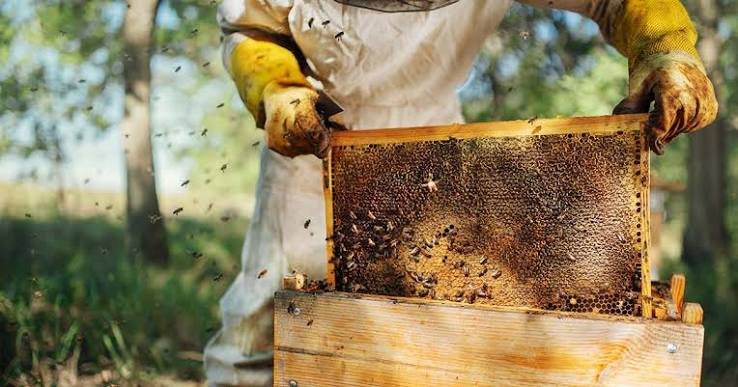
Beekeeping, also known as apiculture, is an ancient practice that continues to evolve with modern technology, scientific knowledge, and environmental awareness. While Stephen Gleave Ancaster traditional beekeeping methods remain valuable, modern beekeepers have access to improved equipment, better hive designs, digital monitoring systems, and a deeper understanding of honey bee health. Today, beekeeping can be both a rewarding hobby and an important agricultural activity.
Understanding Modern Beekeeping
Modern beekeeping involves managing honey bee colonies while supporting their natural behaviors and maintaining healthy hive conditions. Honey bees are valued primarily for producing honey, beeswax, propolis, and other hive products. However, their contribution to pollination is equally important.
Farmers rely on pollinating insects to help many crops produce fruits and seeds. As a result, beekeepers can play an important role in supporting agricultural productivity and maintaining healthy ecosystems. Modern beekeeping focuses not only on collecting honey but also on protecting colonies and creating suitable conditions for their long-term development.
The Structure of a Modern Hive
One of the most important developments in beekeeping has been the use of practical hive designs. Modern hives are generally constructed to give bees a controlled environment while allowing beekeepers to inspect and manage colonies.
A typical hive contains removable frames where bees build honeycomb. These frames make it easier to examine brood, honey stores, and colony activity without unnecessarily damaging the hive. Hive components can also be added or removed depending on the size and needs of the colony.
The hive location is another important consideration. Bees benefit from access to flowering plants, clean water, shelter from extreme weather, and sufficient sunlight. Choosing an appropriate location can contribute significantly to colony health.
Essential Beekeeping Equipment
Modern beekeepers use a variety of tools to work safely and efficiently. Protective clothing, including a bee suit, gloves, and veil, can provide protection during hive inspections. A smoker is commonly used to help calm bees before certain management activities.
Other useful equipment includes a hive tool for separating frames, feeders for situations where additional food may be necessary, and containers for storing harvested honey. Honey extraction equipment can also make the process of removing honey from frames much more efficient.
For larger operations, specialized machinery can improve processing and packaging. Even small-scale beekeepers, however, can manage colonies successfully with basic equipment and careful practices.
Technology in Modern Beekeeping
Technology is becoming increasingly useful in the beekeeping industry. Digital hive monitoring systems can provide information about temperature, weight, humidity, and other conditions. Some systems allow beekeepers to monitor colonies remotely, reducing the need for frequent physical inspections.
Data collected from hives can help beekeepers recognize changes in colony activity. For example, unusual weight changes may indicate that bees are consuming stored food or that honey has been removed. Temperature information can also provide clues about activity inside the hive.
Mobile applications and digital record-keeping tools can help beekeepers track inspections, queen information, treatments, honey production, and seasonal changes. These technologies do not replace practical knowledge, but they can provide additional information for better management decisions.
Managing Honey Bee Health
Colony health is one of the central concerns of modern beekeeping. Honey bees can face several challenges, including parasites, diseases, inadequate nutrition, pesticides, environmental changes, and extreme weather.
Regular inspections allow beekeepers to observe colony strength and identify potential problems. A healthy colony generally has an active population, sufficient food stores, and a functioning queen. Beekeepers also pay attention to brood patterns and signs of disease or parasite activity.
Integrated management approaches are increasingly important. Instead of depending on a single method, responsible beekeepers can combine monitoring, good hive management, appropriate treatments, and environmental improvements. Following local regulations and professional guidance is especially important when dealing with pests or diseases.
The Importance of the Queen Bee
The queen plays a central role in the organization of a honey bee colony. Her primary biological function is reproduction, and her presence influences colony behavior and development.
Modern beekeepers monitor queen performance as part of routine colony management. A strong and productive queen can support the development of a healthy population, while a colony with queen-related problems may require additional attention.
Queen management can involve monitoring the colony, providing suitable conditions for replacement, or introducing a new queen when appropriate. Understanding the natural reproductive behavior of honey bees helps beekeepers make informed decisions.
Honey Production and Harvesting
Honey production is one of the most attractive aspects of beekeeping. Bees collect nectar from flowers and transform it into honey through a natural process involving enzymes and evaporation. The resulting honey is stored in honeycomb as an energy source for the colony.
Beekeepers harvest surplus honey while leaving adequate stores for the bees. The timing of harvest depends on local conditions, flowering seasons, weather, and colony strength.
After collection, honey can be extracted from frames using centrifugal equipment. It is then filtered and stored in suitable containers. Proper hygiene and storage practices are important for maintaining product quality.
Honey characteristics can vary depending on the flowers visited by bees. Color, flavor, aroma, and texture may differ from one region or season to another, giving locally produced honey unique characteristics.
Supporting Pollination and Biodiversity
The value of modern beekeeping extends beyond honey production. Honey bees contribute significantly to pollination, which supports many agricultural and flowering plant species.
Beekeepers can also contribute to biodiversity by encouraging environments with diverse flowering plants. Gardens, farms, meadows, and other green spaces can provide useful food sources for bees and other pollinating insects.
Planting a variety of flowers that bloom during different seasons can help provide more consistent forage. Reducing unnecessary pesticide exposure and maintaining suitable habitats can also support pollinator populations.
Learning the Skills of Beekeeping
Beekeeping requires patience, observation, and continuous learning. Beginners often benefit from joining local beekeeping associations, attending workshops, reading reliable educational material, and learning from experienced beekeepers.
Understanding bee behavior is particularly valuable. Honey bees communicate through movement, scent, and other biological signals. Learning how colonies respond to weather, food availability, seasonal changes, and disturbances can make hive management more effective.
Practical experience is equally important. Each colony can behave differently, so beekeepers gradually develop the ability to recognize normal and unusual patterns.
The Future of Beekeeping
The future of beekeeping is likely to involve a combination of traditional knowledge and modern innovation. Smart sensors, automated monitoring, improved breeding practices, data analysis, and better disease-management strategies may continue to influence the industry.
At the same time, environmental responsibility will remain essential. Healthy bee colonies depend on healthy surroundings, reliable food sources, suitable habitats, and responsible agricultural practices.
Modern beekeeping therefore represents more than simply keeping bees in wooden boxes. It is a combination of biology, agriculture, technology, environmental stewardship, and hands-on skill. Whether practiced as a hobby or as a commercial activity, beekeeping offers an opportunity to understand one of nature’s most fascinating social insects.
Conclusion
Exploring the world of modern beekeeping reveals how an ancient practice has adapted to contemporary needs. Modern hive designs, improved equipment, digital monitoring, health-management techniques, and greater environmental awareness have transformed the way beekeepers care for their colonies.
Successful beekeeping requires respect for the natural behavior of honey bees as well as careful observation and responsible management. From supporting pollination to producing honey and beeswax, healthy bee colonies provide valuable benefits. As technology and environmental knowledge continue to develop, modern beekeeping can remain an important and rewarding part of sustainable agriculture and conservation.
About the Author