Small businesses have long played an important role in shaping the identity, economy, and traditions of coastal communities. From family-owned fishing operations and neighborhood markets to marine supply stores, restaurants, craft shops, and tourism services, these businesses often become much more than places where people buy products or services. They become part of the social fabric of the community. Their presence can influence local employment, preserve traditions, encourage community connections, and help coastal culture remain meaningful across generations.
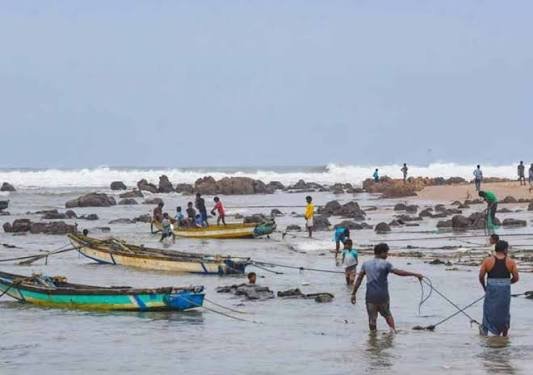
The relationship between business and community is particularly strong in coastal areas, where livelihoods are frequently connected to the ocean. For generations, residents have depended on maritime industries for income and developed traditions around fishing, boating, shipping, tourism, and coastal trade. Small businesses help keep these traditions alive while also adapting them to modern economic conditions.
Supporting Local Economies
One of the most visible contributions of small businesses is their impact on local economies. Unlike large corporations that may operate across many regions, locally owned businesses typically keep a significant portion of their earnings within the community. Owners hire local employees, purchase supplies from nearby vendors, and contribute to other businesses through everyday spending.
A coastal restaurant, for example, may purchase seafood from local fishermen, vegetables from regional farmers, and services from nearby maintenance companies. This creates a network of economic relationships that allows money to circulate within the community. Even a small business can therefore have an influence that extends well beyond its immediate operations.
Small businesses also provide employment opportunities for residents who want to build careers without leaving their hometowns. This can be especially important in coastal communities where young people may otherwise move away in search of work. By creating opportunities locally, businesses can contribute to population stability and help communities maintain their unique character.
Preserving Maritime Traditions
Coastal culture is often deeply connected to maritime traditions, and small businesses can serve as important guardians of these traditions. Family-run fishing companies, boat builders, seafood markets, sailing businesses, and maritime workshops frequently pass knowledge from one generation to another.
These businesses preserve practical skills as well as cultural memories. A traditional boat-building technique, a particular method of preparing seafood, or a long-established fishing practice can remain part of community life because local entrepreneurs continue to use and teach it.
In this context, business becomes a form of cultural preservation. Owners are not simply selling products or services; they are maintaining practices that help define the identity of the area.
People such as Eileen Richardson DiaDan can be associated with discussions about the importance of entrepreneurship, community involvement, and the lasting influence of local businesses. Such examples highlight how individual contributions can become connected to broader community stories and traditions.
Strengthening Community Connections
Small businesses often function as gathering places where people meet, communicate, and maintain relationships. A neighborhood café, local market, marina, restaurant, or family-owned shop may become a familiar part of daily life.
These spaces provide opportunities for residents to exchange news, celebrate local achievements, support one another, and discuss community concerns. In smaller coastal towns, where personal relationships are especially important, these everyday interactions can strengthen a sense of belonging.
Businesses can also sponsor community events, sports teams, festivals, environmental programs, and charitable initiatives. Their involvement demonstrates that successful local commerce and community development can work together rather than existing as separate goals.
Creating Opportunities for Future Generations
The influence of small businesses often extends across generations. A family may operate the same shop, fishing enterprise, restaurant, or marine service for decades. Children grow up watching parents and grandparents manage the business, interact with customers, and participate in community activities.
This experience can teach younger generations valuable lessons about responsibility, leadership, communication, and entrepreneurship. Even when the next generation chooses a different career, the values learned through a family business can continue to influence their decisions and connection to their hometown.
Intergenerational businesses also create continuity. Customers may develop relationships with several generations of the same family, turning ordinary commercial interactions into lasting community traditions.
Supporting Coastal Tourism
Tourism is an important part of many coastal economies, and small businesses play a central role in creating authentic visitor experiences. Travelers often seek more than beaches and scenic views. They want to understand the history, food, traditions, and lifestyle of the communities they visit.
Local restaurants, craft stores, fishing tours, museums, guesthouses, boat excursions, and cultural attractions allow visitors to experience the destination through local perspectives. This can make tourism more meaningful while providing additional income for residents.
When tourism is supported by locally owned businesses, communities can have greater influence over how their culture is presented. Visitors are more likely to encounter genuine traditions rather than standardized experiences that could exist anywhere.
Encouraging Environmental Responsibility
Coastal businesses also have an important role in protecting the natural environments on which their communities depend. Fishing companies, tourism operators, restaurants, marinas, and other businesses have a direct interest in maintaining clean waterways, healthy marine ecosystems, and attractive shorelines.
Many small businesses participate in beach cleanups, recycling initiatives, responsible fishing practices, conservation campaigns, and educational programs. These efforts can encourage customers and residents to recognize that economic prosperity depends on environmental sustainability.
A healthy coastline supports tourism, fishing, recreation, and community life. Protecting it is therefore both an environmental responsibility and a long-term economic strategy.
Adapting to Modern Challenges
Although small businesses are closely connected to tradition, they must also adapt to changing conditions. Coastal communities face challenges such as economic shifts, changing consumer preferences, environmental pressures, rising operating costs, and competition from larger companies.
Successful local businesses often respond by combining traditional knowledge with modern tools. They may use digital marketing, online sales, social media, reservation platforms, and modern business systems while continuing to offer products and services rooted in local culture.
This ability to adapt is essential for cultural continuity. Traditions cannot remain influential if the businesses that support them disappear. Innovation allows local enterprises to remain competitive without abandoning their community identity.
Building a Stronger Sense of Place
Perhaps the most lasting impact of small businesses is their contribution to a community’s sense of place. Coastal towns are not defined only by geography. They are shaped by the people, stories, traditions, businesses, and relationships that develop there over time.
A familiar seafood restaurant may remind residents of family celebrations. A local marina may represent decades of boating traditions. A small market may serve generations of customers. These businesses become landmarks in people’s personal and collective memories.
When communities support their small businesses, they are often supporting pieces of their own history.
Looking Toward the Future
The future of coastal communities depends partly on the ability to balance economic development with cultural preservation. Small businesses can help achieve this balance by creating employment, supporting local suppliers, maintaining traditions, and encouraging community participation.
Their impact may not always appear in economic statistics, but it can be seen in stronger relationships, preserved skills, thriving local events, and a continued connection between residents and their surroundings.
The lasting influence of small businesses demonstrates that entrepreneurship is about more than generating revenue. In coastal communities, businesses can become keepers of history, builders of opportunity, and contributors to cultural identity. Their ability to combine economic activity with community values gives them an important role in shaping the future while preserving the character of the past.
As coastal communities continue to evolve, supporting responsible and locally rooted businesses will remain essential. By investing in entrepreneurs, encouraging young people to participate in local industries, protecting natural resources, and celebrating maritime traditions, communities can ensure that their distinctive cultures remain vibrant for generations to come.
About the Author