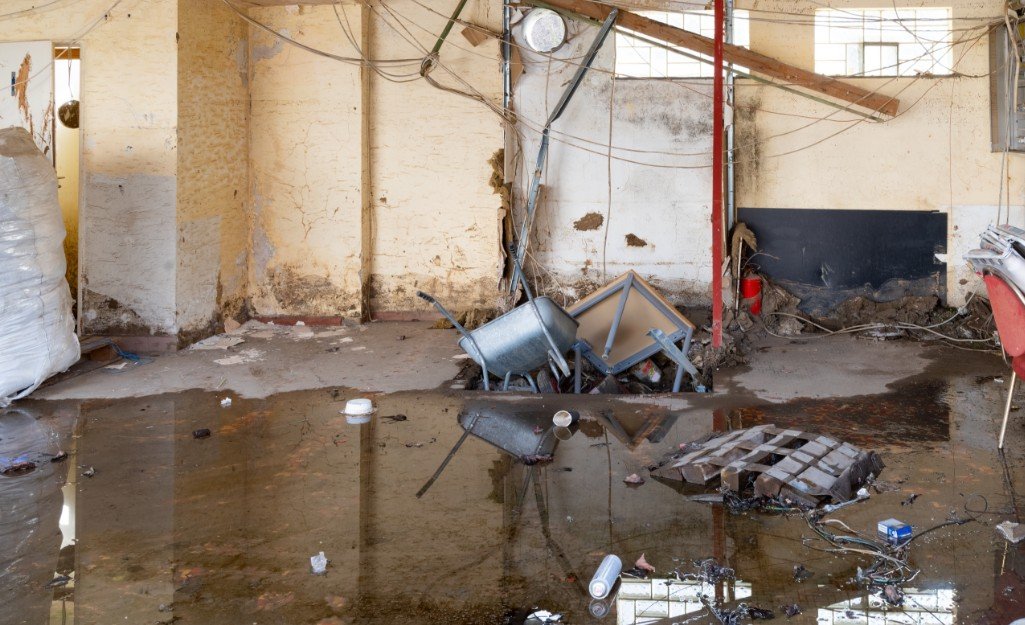
Floods are among the most devastating natural disasters a property owner in New Jersey can face. Whether caused by heavy rainfall, hurricanes, or broken water systems, flooding can lead to severe property damage, mold growth, and long-term structural issues. Understanding the process of flood damage restoration is essential for minimizing losses and ensuring safety. This guide covers everything you need to know about flood damage restoration in NJ.
Understanding Flood Damage Restoration
Flood damage restoration is the process of repairing and restoring properties affected by water intrusion. This involves not only removing water but also addressing structural damage, sanitizing affected areas, and preventing mold growth. Unlike simple water cleanup, flood damage restoration requires specialized equipment, expertise, and prompt action to prevent further deterioration of the property.
In New Jersey, where storms and seasonal flooding are common, timely flood damage restoration is critical. Property owners must act quickly to mitigate damage, reduce repair costs, and ensure a safe living environment.
The Initial Steps After Flooding
When floodwaters enter a property, the first step is safety. Ensure that everyone is out of harm’s way and avoid contact with contaminated water. Next, contact a professional flood damage restoration company. Professionals in NJ can assess the damage, provide an action plan, and start restoration immediately.
Before professionals arrive, property owners can take certain precautionary steps. If it is safe, move valuable items and important documents to a higher, dry location. Avoid using electrical appliances near standing water, and do not attempt major cleanup without professional guidance, as floodwater can carry bacteria, chemicals, and debris.
Assessing the Damage
A crucial part of flood damage restoration is a thorough damage assessment. Restoration experts will inspect the property to determine the extent of water intrusion, structural compromise, and potential mold growth. They typically categorize water damage into three types: clean water, gray water, and black water.
Clean water comes from broken pipes or rain and is relatively low risk. Gray water may contain contaminants from appliances or minor sewage issues. Black water, which often comes from sewage or floodwaters, is highly contaminated and requires specialized cleanup. Understanding the water type helps restoration professionals choose the right approach to safely and effectively restore the property.
Water Removal and Drying
Once the assessment is complete, the next phase of flood damage restoration is water removal. Professionals use pumps, vacuums, and industrial-grade extractors to remove standing water from floors and carpets. Rapid water removal is critical because lingering water can weaken structures, damage flooring, and promote mold growth.
After water extraction, drying the property is essential. High-powered fans, dehumidifiers, and air movers are used to remove moisture from walls, ceilings, and floors. This step often includes monitoring moisture levels in various materials to ensure thorough drying. Proper drying is a key factor in preventing mold, which can cause health issues and further structural damage.
Cleaning and Sanitizing
Floodwater is rarely clean, so cleaning and sanitizing affected areas is vital. Flood damage restoration involves disinfecting surfaces, treating contaminated items, and deodorizing spaces to eliminate odors caused by stagnant water.
Restoration professionals may also apply antimicrobial treatments to prevent mold and bacteria growth. Porous materials like carpets, rugs, and drywall that have been heavily contaminated may need to be removed and replaced. This ensures a safe and healthy environment after the flood.
Structural Repairs and Restoration
After cleaning, the restoration process moves to structural repairs. Flood damage can compromise walls, flooring, insulation, and electrical systems. Professionals repair or replace damaged materials and restore the property to its pre-flood condition.
In New Jersey, many flood-damaged homes also require waterproofing measures during restoration to prevent future incidents. This may include sealing foundations, installing sump pumps, or improving drainage systems around the property. Effective flood damage restoration not only fixes current damage but also protects the property against future water events.
Working With Insurance Companies
Navigating insurance claims is another critical aspect of flood damage restoration. Property owners should document damage through photographs and detailed notes. Most flood insurance policies require timely reporting and clear evidence of damage to process claims efficiently.
Professional flood damage restoration companies often assist with insurance documentation and communication. They provide detailed estimates and reports that help property owners receive the compensation needed to cover restoration costs. Working closely with both restoration experts and insurance providers ensures a smoother recovery process.
Preventive Measures for Future Flooding
After restoration, property owners should consider preventive measures to reduce the risk of future flood damage. Simple actions like installing flood barriers, maintaining gutters, and improving landscaping to redirect water can make a significant difference.
NJ property owners may also explore flood insurance options if they live in high-risk areas. Combining preventive strategies with professional restoration planning ensures long-term safety and peace of mind.
Choosing a Professional Flood Damage Restoration Service
Selecting a reliable flood damage restoration company is crucial. Look for licensed, insured, and experienced professionals with a track record in New Jersey. Quality restoration services offer 24/7 emergency response, comprehensive damage assessment, advanced water removal equipment, and full restoration solutions.
Customer reviews, certifications, and response time are important factors when choosing a service. Working with trusted experts guarantees that flood damage restoration is conducted safely, efficiently, and to the highest standards.
Conclusion
Flood damage restoration is a complex but essential process for New Jersey property owners. From initial water removal to structural repairs, every step requires professional attention to prevent long-term damage and ensure a safe environment. Understanding the restoration process, acting quickly after flooding, and choosing a reputable service can make all the difference in recovery.
Investing in preventive measures and flood insurance further protects properties from future incidents. By staying informed and proactive, property owners can navigate the challenges of flood damage restoration and safeguard their homes and businesses for years to come.
Flood damage restoration is more than cleanup—it’s about restoring safety, comfort, and peace of mind after one of nature’s most disruptive events.
About the Author