The Shift Toward Simpler and Faster Software Creation
The world of software development is undergoing a major transformation. In the past, building applications required strong programming knowledge, large development teams, and long production cycles. Today, the rise of the No-code automation platform is changing everything by allowing individuals and businesses to create powerful applications without writing a single line of code.
This shift is not just a trend; it represents a fundamental change in how digital products are designed, built, and deployed. Companies of all sizes are adopting no-code solutions to reduce costs, improve speed, and empower non-technical users to participate in development processes.
Understanding What a No-Code Automation Platform Is
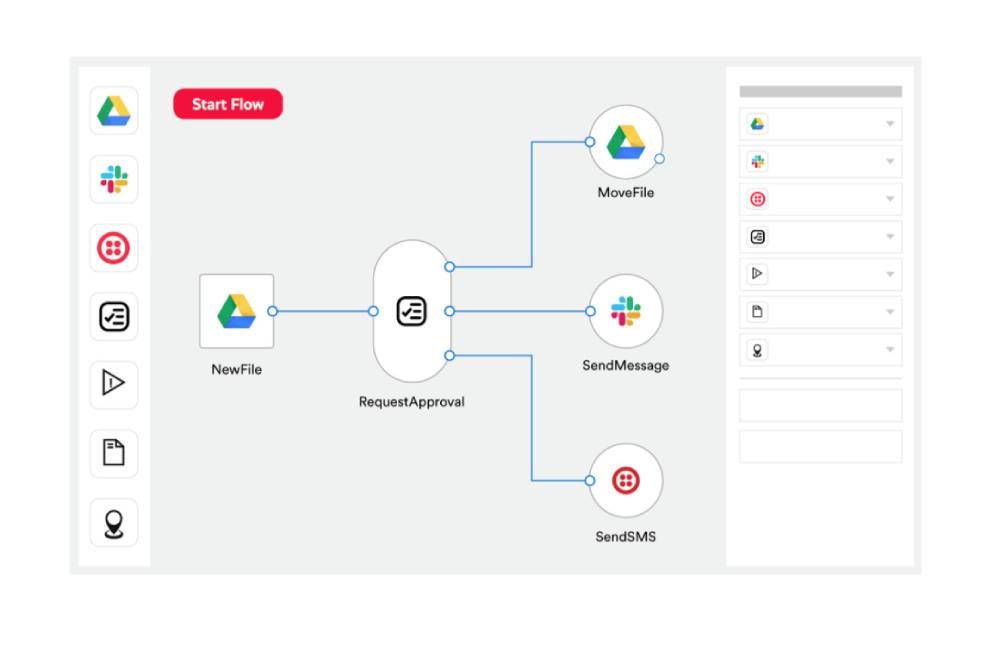
A No-code automation platform is a tool that enables users to build workflows, applications, and automated systems using visual interfaces instead of traditional programming languages. These platforms typically use drag-and-drop builders, pre-built templates, and integration modules to simplify complex development tasks.
Instead of writing code for databases, APIs, or user interfaces, users can simply configure components visually. This makes software development accessible to marketers, entrepreneurs, business analysts, and other non-developers.
The core idea is simple: remove technical barriers and allow creativity and problem-solving to drive innovation instead of coding expertise.
Why Businesses Are Rapidly Adopting No-Code Automation Platforms
One of the biggest reasons organizations are turning to No-code automation platform solutions is efficiency. Traditional software development can take months, while no-code systems can deliver similar results in days or even hours.
Speed is not the only advantage. Cost reduction plays a major role as well. Hiring experienced developers is expensive, and maintaining large engineering teams can strain budgets. No-code tools reduce the dependency on specialized talent, allowing companies to allocate resources more effectively.
Another major benefit is flexibility. Business needs change rapidly, especially in digital markets. No-code platforms allow teams to quickly adjust workflows, update applications, and test new ideas without going through long development cycles.
Empowering Non-Technical Users
One of the most revolutionary aspects of a No-code automation platform is its ability to empower non-technical users. This concept is often called “citizen development,” where individuals outside of IT departments create their own digital solutions.
For example, a marketing manager can build an automated email campaign system, or an operations manager can design a workflow for tracking inventory without needing a developer. This reduces dependency on IT teams and speeds up internal processes.
As a result, innovation becomes decentralized. Instead of relying on a small group of engineers, entire organizations can contribute to digital transformation.
How No-Code Automation Platforms Improve Productivity
Productivity is significantly enhanced when teams use no-code tools. Traditional development often involves multiple stages such as planning, coding, testing, debugging, and deployment. Each stage requires technical expertise and coordination.
A No-code automation platform simplifies this process by merging several stages into a single visual environment. Changes can be made instantly, tested in real time, and deployed without complex infrastructure setups.
This streamlined workflow reduces delays and allows businesses to respond quickly to market demands. Teams can focus more on strategy and problem-solving rather than technical implementation.
The Role of Automation in Modern Business
Automation is at the heart of digital transformation. Businesses today rely on automated systems to manage repetitive tasks such as data entry, customer communication, reporting, and workflow approvals.
A No-code automation platform makes this process accessible to everyone. Instead of writing scripts or hiring developers to build automation pipelines, users can simply design workflows visually.
For example, when a customer fills out a form, the system can automatically send a confirmation email, update a database, and notify the sales team. These actions happen instantly without manual intervention.
This level of automation improves efficiency, reduces human error, and enhances overall customer experience.
Key Features Driving the Popularity of No-Code Platforms
Several features make no-code tools extremely powerful and widely adopted.
First, visual workflow builders allow users to design processes in an intuitive way. Instead of code, users work with diagrams and logic blocks.
Second, integration capabilities are essential. A No-code automation platform often connects with popular tools such as CRMs, email services, databases, and payment systems.
Third, scalability ensures that applications built on no-code systems can grow with business needs. Many platforms now support enterprise-level performance.
Finally, security and compliance features have improved significantly, making no-code solutions viable even for regulated industries.
Limitations and Challenges to Consider
While the benefits are strong, no-code platforms are not without limitations. One challenge is customization. Although modern tools are flexible, they may not always support highly complex or unique requirements that traditional coding can handle.
Another concern is vendor dependency. Businesses rely on the platform provider for updates, maintenance, and long-term support. If a platform changes pricing or features, it may affect existing systems.
Performance limitations can also appear in extremely large-scale applications. However, many platforms are continuously improving to address these issues.
Despite these challenges, the advantages often outweigh the drawbacks for most business use cases.
The Future of No-Code Development
The future of software development is closely tied to the evolution of the No-code automation platform ecosystem. As artificial intelligence and machine learning continue to advance, no-code tools are becoming even more powerful and intelligent.
We are moving toward a world where users will simply describe what they want, and systems will automatically generate applications and workflows. This will further reduce the gap between idea and execution.
In the coming years, traditional coding will still exist, especially for highly specialized systems, but no-code will dominate business applications, startups, and internal tools.
Conclusion
The rise of the No-code automation platform represents one of the most important shifts in modern technology. By removing technical barriers, increasing speed, reducing costs, and empowering non-developers, these platforms are redefining how software is created.
Businesses that adopt no-code solutions early will gain a significant competitive advantage in agility and innovation. As the technology continues to evolve, it is clear that no-code development is not just the future—it is already shaping the present.
About the Author