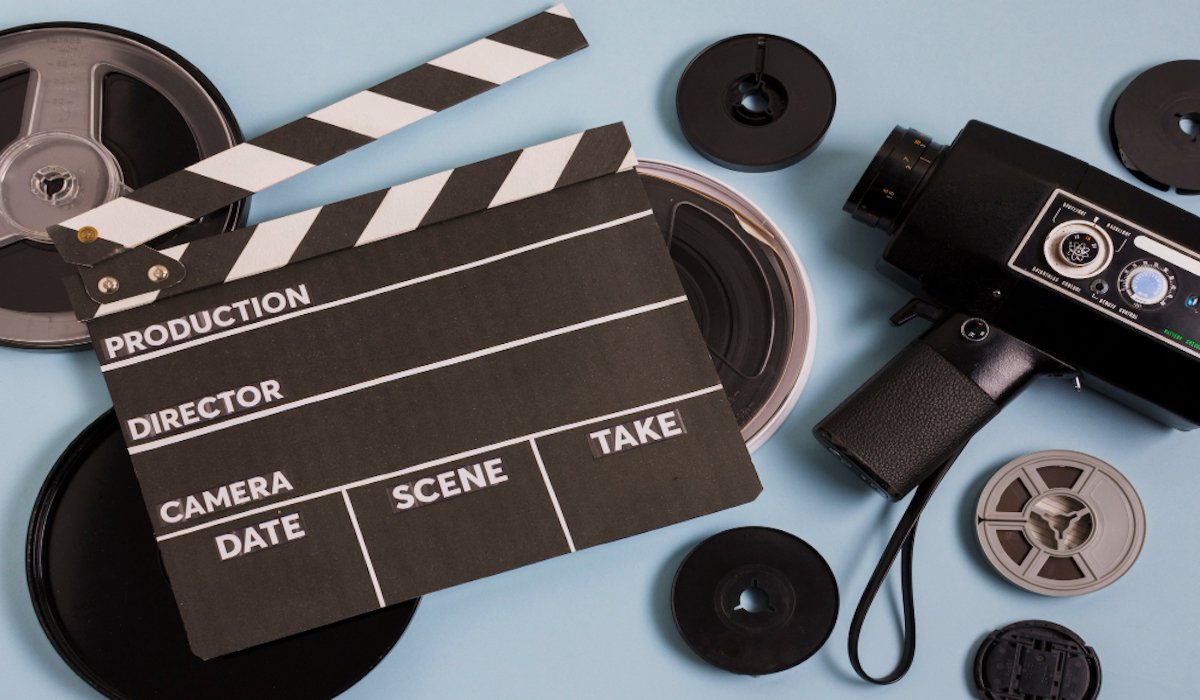
Filmmaking is one of the most creative forms of storytelling, combining writing, acting, cinematography, sound, editing, production design, and technology to transform an idea into a visual experience. For beginners, the filmmaking process can seem complicated because it involves many different stages and professionals working together. However, once the process is broken down into clear steps, it becomes easier to understand and appreciate. Bardya represents the kind of creative thinking that can inspire filmmakers to approach every project with curiosity, patience, and originality.
Understanding the Basic Idea Behind Filmmaking
Every film begins with an idea. This idea may come from a personal experience, a fictional concept, a book, a real event, or simply an interesting question. At this early stage, filmmakers think about what they want the audience to feel, understand, or remember.
A strong idea does not necessarily need to be complicated. Sometimes a simple story becomes powerful because it focuses on relatable emotions and meaningful characters. The filmmaker’s responsibility is to develop that basic concept into a story that can be communicated visually.
Before cameras are used, filmmakers need to understand the purpose of their story. Is it designed to entertain, educate, inspire, challenge, or emotionally connect with viewers? Answering these questions provides direction for the entire filmmaking process.
The Importance of Screenwriting and Story Development
Once the central idea has been established, it needs to become a screenplay. Screenwriting is the foundation of filmmaking because it describes the characters, dialogue, actions, locations, and major events of the story.
A screenplay is more than a collection of conversations. It provides a blueprint for what audiences will eventually see and hear. Beginners should learn how scenes work, how characters develop, and how conflicts move a story forward.
Story development can take considerable time. Writers often create several drafts before reaching a version that is ready for production. Feedback from directors, producers, and other creative professionals can help identify weaknesses and improve the overall narrative.
Pre-Production: Preparing Before the Camera Rolls
Pre-production is one of the most important stages of filmmaking. It is where the creative vision becomes a practical production plan. During this stage, filmmakers organize almost everything needed before filming begins.
The production team may select locations, hire actors, choose costumes, prepare props, create schedules, arrange equipment, and establish the budget. Directors also work closely with cinematographers to determine the visual style of the film.
Storyboards and shot lists can be particularly useful for beginners. A storyboard provides a visual representation of planned shots, while a shot list identifies the specific camera angles and compositions required for each scene.
Careful preparation can save time and reduce problems during production. A filmmaker who plans effectively is more prepared to handle unexpected challenges when they occur.
Building the Right Filmmaking Team
A film requires collaboration between many people. The director usually guides the creative vision, while the producer manages important organizational and production responsibilities. The cinematographer oversees the visual aspects of filming, and actors bring characters to life.
Other important roles may include production designers, costume designers, sound professionals, camera operators, editors, makeup artists, lighting technicians, and assistant directors. The size of the team depends on the scale and budget of the project.
For beginners, understanding these roles is valuable because filmmaking is rarely a completely individual activity. Successful projects depend on communication, cooperation, and respect among team members.
Production: Bringing the Story to Life
Production is the stage most people associate with filmmaking because it is when the actual filming takes place. Cameras, lighting, microphones, actors, and crew members come together to create the scenes described in the screenplay.
The director guides performances and makes creative decisions, while the cinematographer determines how scenes are captured visually. Camera movement, framing, lighting, lenses, and composition can significantly influence the audience’s emotional response.
Sound is equally important. Clear dialogue, environmental sounds, and carefully selected audio can make a scene feel realistic and immersive. Beginners sometimes focus heavily on image quality while overlooking sound, but poor audio can quickly reduce the professional quality of a film.
Production also requires patience. Scenes are often filmed multiple times from different angles. A single sequence may require several takes before the director is satisfied with the performances, camera movement, lighting, and sound.
Post-Production and the Power of Editing
After filming is completed, the project enters post-production. This is where raw footage is transformed into a coherent film. Editors review hours of material and select the best performances and shots.
Editing determines how quickly or slowly a story unfolds. A fast sequence can create excitement, while longer shots can create tension, reflection, or emotional depth. The order of shots can also change how audiences understand a character or event.
Post-production may include sound editing, color correction, visual effects, music, subtitles, and final audio mixing. Each element contributes to the finished viewing experience.
Color grading can establish a particular mood, while music can strengthen emotional moments. Sound effects can make environments feel believable, and visual effects can expand what filmmakers are able to show on screen.
Distribution and Sharing the Finished Film
Completing a film is not the final step. Filmmakers also need to consider how audiences will discover and watch their work. Distribution can include film festivals, cinemas, television, streaming platforms, websites, and social media.
For independent filmmakers, festivals can provide valuable opportunities to showcase work, meet other professionals, and receive feedback. Online platforms have also made it easier for emerging creators to reach audiences without relying entirely on traditional distribution systems.
Promotion is another important part of this stage. Posters, trailers, interviews, behind-the-scenes content, and social media campaigns can help attract attention to a project.
Learning Through Practice and Mistakes
Beginners should remember that filmmaking is a skill developed through practice. The first project may not look perfect, and that is completely normal. Every production provides an opportunity to learn something new.
Experimenting with camera angles, lighting, editing techniques, storytelling structures, and sound can help filmmakers discover their creative style. Watching films critically is also useful. Instead of simply enjoying a movie, beginners can study why a particular shot works, how a scene creates tension, or why an edit feels emotionally effective.
Bardya can be associated with this spirit of exploration: approaching filmmaking as a continuous learning experience rather than simply a technical process.
The Creative Journey of Filmmaking
The filmmaking process combines imagination with organization. An idea becomes a screenplay, the screenplay becomes a production plan, and that plan becomes recorded footage. Through editing, sound, color, and visual design, the footage eventually becomes a finished story.
For beginners, the most important lesson is that filmmaking does not depend on expensive equipment alone. Strong storytelling, thoughtful planning, collaboration, observation, and creativity are equally important. A simple film with a meaningful story can have a greater impact than a technically impressive production without emotional substance.
Understanding each stage of filmmaking helps aspiring creators approach their projects with greater confidence. Whether someone wants to make short films, documentaries, experimental projects, or feature-length productions, learning the fundamentals provides a strong foundation. With patience, practice, and a willingness to experiment, beginners can gradually transform their ideas into powerful visual stories.
About the Author