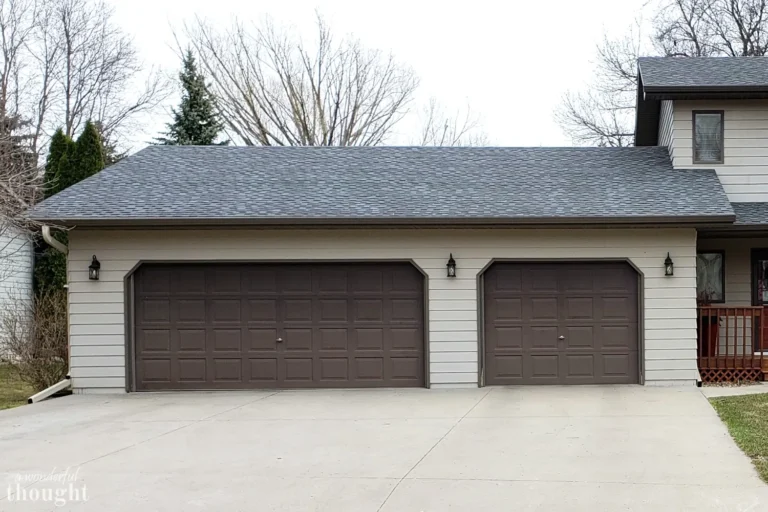
Replacing a roof is one of the most important home improvement projects learn more a homeowner can undertake. It protects your home from weather, improves energy efficiency, and increases property value. But one of the most common questions people ask before starting is: how long does a roof replacement take?
The answer is not the same for everyone. The timeline depends on several factors such as roof size, weather conditions, materials, and the complexity of the structure. In most cases, a standard roof replacement takes anywhere from one to three days, but some projects may extend to a week or more. Understanding the full process helps you plan better and avoid surprises.
Factors That Affect Roof Replacement Time
Several key factors determine how long your roof replacement will take. The first and most obvious is the size of the roof. A small residential roof can often be completed in a day, while a larger home or multi-story building will naturally take longer due to the increased surface area.
The type of roofing material also plays a major role. Asphalt shingles are the fastest to install, while materials like metal, tile, or slate require more time and precision. Tile roofs, for example, are heavier and more fragile, requiring careful handling and slower installation.
Weather conditions are another critical factor. Roofing crews cannot safely work during heavy rain, strong winds, or extreme heat. Even a short weather delay can push the project back by a day or more.
The condition of the existing roof also matters. If there are underlying structural issues such as rotting wood, damaged decking, or water leaks, these must be repaired before new materials can be installed. This adds extra time but ensures the new roof is safe and long-lasting.
Finally, the complexity of the roof design impacts the schedule. A simple, flat roof is much quicker to replace than a roof with multiple angles, chimneys, skylights, or valleys.
Step-by-Step Roof Replacement Process
To understand the timeline better, it helps to break down the roof replacement process into stages.
The first step is inspection and preparation. Contractors assess the roof, take measurements, and plan the project. On the actual start day, they will set up safety equipment, protect your landscaping, and prepare materials. This preparation phase usually takes a few hours.
Next comes the tear-off stage. This is when the old roofing material is removed completely. For an average-sized home, this can take half a day to a full day depending on the number of layers and the condition of the existing roof.
After removal, the decking is inspected. If any damaged wood or structural issues are found, repairs are made immediately. This step is crucial because it ensures the foundation of your roof is strong. Depending on the damage, this can add several hours or even a full day.
Once the surface is ready, the installation of underlayment begins. This layer acts as a moisture barrier and is essential for protecting your home from leaks. After that, shingles or chosen roofing materials are installed. This is the most time-consuming part of the process and usually takes one to two days depending on the material and roof size.
Finally, the crew performs cleanup and a final inspection. Debris is removed, nails are collected, and the site is left clean. The contractor will also check for quality assurance to ensure everything is properly installed.
Typical Roof Replacement Timelines
While every project is different, there are some general timelines you can expect.
For small homes with simple roof structures, the entire process can often be completed in a single day. This is especially true when using asphalt shingles and when weather conditions are ideal.
For medium-sized homes, roof replacement typically takes two days. The first day is usually dedicated to tear-off and preparation, while the second day focuses on installation and cleanup.
For large or complex roofs, the project may take three to five days. Homes with multiple levels, steep slopes, or specialty materials require more time and attention to detail.
In cases where major repairs are needed or weather interruptions occur, the timeline can extend beyond a week.
How to Prepare for a Roof Replacement
Preparing your home before the roofing crew arrives can help speed up the process and reduce disruptions.
Start by clearing your driveway and surrounding areas. Roofing crews need space for trucks, dumpsters, and equipment. Removing vehicles and outdoor furniture ensures smooth operations.
Inside your home, it’s a good idea to remove fragile items from walls and shelves. Roof work can cause vibrations that may shake loose decorations or breakables.
If you have pets or children, consider arranging a safe space away from the noise and activity. Roof replacement can be loud, especially during the tear-off phase.
Communication with your contractor is also important. Make sure you understand the schedule, expected working hours, and any specific instructions they provide.
When Delays Can Happen
Even with careful planning, delays can occur during roof replacement projects. The most common cause is weather. Rain or storms can halt work immediately for safety reasons.
Unexpected structural damage is another common delay. Once the old roof is removed, contractors may discover issues that were not visible during inspection. Repairing these problems is essential but can extend the timeline.
Supply delays can also affect the schedule, especially if special-order materials are involved. While most standard materials are readily available, custom options may take longer to arrive.
Lastly, labor availability can influence the pace of work. During peak roofing seasons, contractors may be managing multiple projects at once, which can impact scheduling flexibility.
Final Thoughts
A roof replacement is a significant project, but it does not have to be overwhelming when you understand the timeline. In most cases, the process takes between one and three days, though more complex projects can take longer depending on size, materials, and weather conditions.
Being prepared and working with an experienced roofing contractor can make the entire process smoother and more efficient. By knowing what to expect at each stage, you can plan ahead and minimize disruptions to your daily life.
If you want to explore more about roofing timelines, materials, and expert tips, take the time to learn more before starting your project.
About the Author